


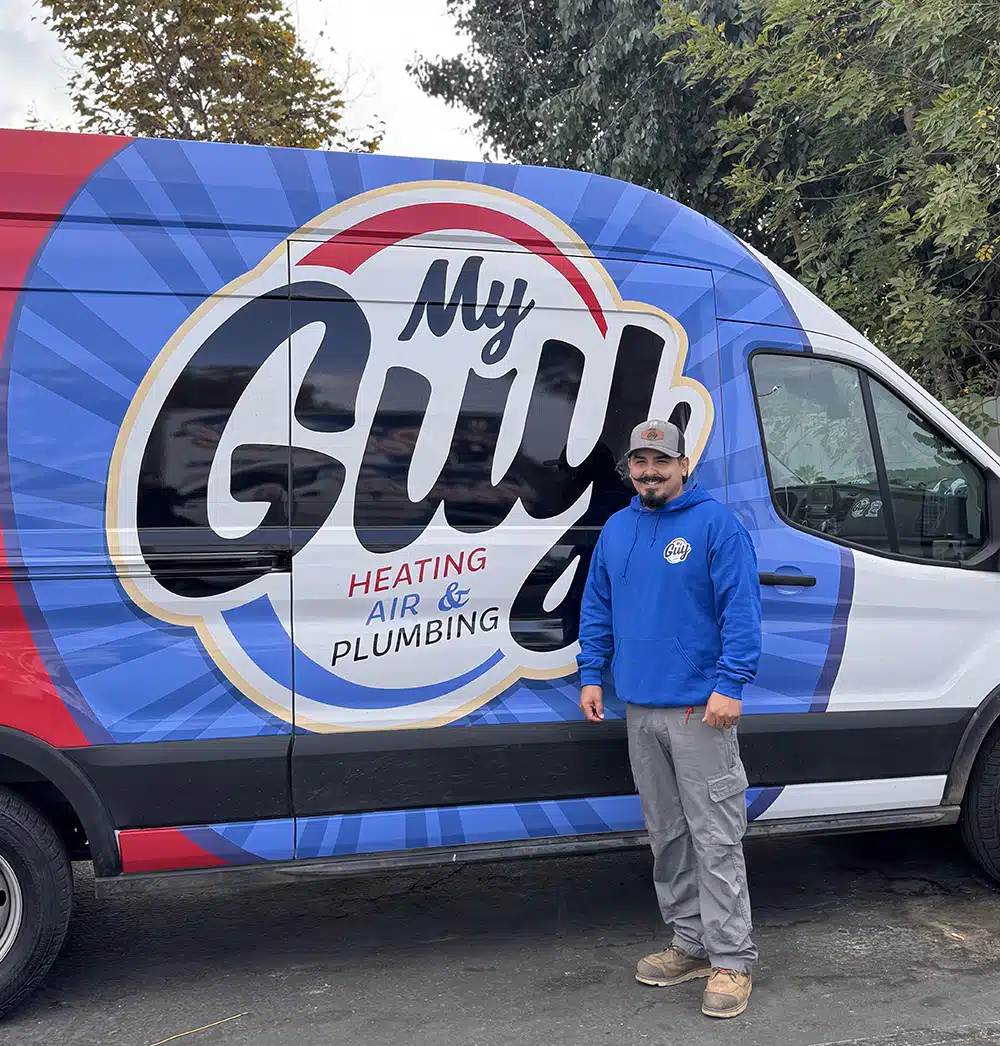
Understanding HVAC Systems in San Diego’s Unique Climate
San Diego residents enjoy what many consider perfect weather, but this reputation obscures the very real climate control challenges faced by homeowners throughout the county. The term HVAC encompasses heating, ventilation, and air conditioning—three interconnected systems that work together to maintain comfortable indoor environments regardless of external conditions. In San Diego, these systems must address not only temperature extremes but also factors like coastal humidity, inland dryness during Santa Ana winds, and significant temperature variations between day and night. A properly functioning HVAC system does more than just heat and cool; it filters airborne particles, controls moisture levels to prevent mold growth, and ensures consistent air circulation throughout living spaces. For homes in North County communities like Vista and San Marcos, where summer temperatures regularly exceed coastal readings by 15 degrees or more, robust and well-maintained HVAC systems are particularly essential for maintaining both comfort and property value throughout the year.
The Impact of Local Geography on System Performance
San Diego’s varied topography creates microclimates that directly influence how HVAC systems perform and what maintenance they require. Coastal homes experience relatively stable temperatures but must contend with salt air that accelerates corrosion on external HVAC components. Mid-city neighborhoods encounter warmer conditions that increase cooling demands during summer months. Inland valleys face the most extreme challenges with hotter summers, cooler winters, and greater daily temperature fluctuations that cause systems to work harder and cycle more frequently. These geographical differences mean that an HVAC system perfectly sized and configured for an Ocean Beach cottage would likely prove inadequate for a similarly sized home in Santee or Ramona. Furthermore, architectural variations across the county—from historic Craftsman bungalows to modern hillside constructions—create different insulation profiles, window exposures, and ventilation needs that any competent HVAC professional must consider when servicing or recommending system improvements. This geographical and architectural diversity makes localized expertise invaluable, as technicians familiar with specific communities understand the particular stressors affecting systems in those areas.
Essential Maintenance for Long-Term System Health
Proactive maintenance represents the most cost-effective strategy for preserving HVAC performance and preventing unexpected breakdowns. Homeowners should establish a regular maintenance routine that includes both simple personal tasks and scheduled professional service. Basic homeowner responsibilities include replacing air filters every 30-90 days depending on factors like pets, local construction activity, and household allergies. Monthly visual inspection and cleaning around outdoor condenser units to maintain at least two feet of clearance on all sides is equally important, as restricted airflow represents one of the most common causes of system inefficiency and failure. Before each cooling season, homeowners should perform additional preparation including gentle cleaning of condenser coils with a garden hose (using low pressure only), ensuring proper drainage, and verifying that all indoor vents remain unobstructed by furniture or drapes. These personal efforts should be complemented by annual professional maintenance, ideally scheduled during spring before peak demand periods. A comprehensive professional service includes electrical connection verification, refrigerant level inspection, thermostat calibration, motor lubrication, ductwork examination, and safety control testing. This combined approach of homeowner diligence and professional expertise typically extends equipment lifespan by several years while maintaining energy efficiency and preventing up to eighty-five percent of emergency repair situations according to industry estimates.
Identifying Problems That Require Professional Intervention
Despite diligent maintenance, HVAC systems occasionally develop issues requiring professional diagnosis and repair. Certain symptoms serve as clear indicators that homeowner intervention is insufficient and expert assistance is needed. The most urgent warning sign is visible ice formation on refrigerant lines or indoor coils, which indicates potentially serious issues with refrigerant charge or airflow that can lead to compressor failure. Unusual operational sounds—including grinding, screeching, or persistent rattling—typically signal mechanical problems within the system. Inadequate cooling or heating performance despite normal operation often points to issues ranging from duct leaks to failing components. Other concerning symptoms include frequent system cycling (turning on and off more than three times per hour), unpleasant odors during operation, excessive humidity indoors despite air conditioner use, and unexplained increases in energy bills. For homes with older systems, diminished performance may indicate that replacement has become more economically sensible than continued repairs. When these symptoms appear, contacting a qualified HVAC professional promptly prevents minor issues from escalating into major failures that compromise comfort during San Diego’s occasional but impactful weather extremes. Technicians with proper diagnostic equipment can accurately identify root causes rather than simply addressing surface symptoms, ensuring repairs are both effective and durable.
Selecting a Reputable HVAC Service Provider
Choosing a qualified HVAC company requires careful evaluation beyond simple price comparison. Homeowners should prioritize providers with demonstrated local experience who understand San Diego’s specific climate patterns and how they affect residential systems. Proper licensing, bonding, and insurance represent non-negotiable requirements that protect homeowners from liability while indicating professional standards. Transparent communication is another essential characteristic—reputable technicians take time to explain problems clearly, provide detailed written estimates before beginning work, and discuss multiple solution options when appropriate. References from neighbors and online reviews often reveal important insights about reliability, workmanship quality, and customer service consistency. The most trustworthy companies emphasize education over sales pressure, helping homeowners understand their systems and make informed decisions. Additional considerations include response time for emergency situations, warranty provisions for parts and labor, and whether the company handles both installation and repair services (indicating comprehensive system knowledge). A true professional partner views each service interaction as an opportunity to build a lasting relationship, prioritizing the homeowner’s long-term satisfaction and system reliability over short-term gains.
Maximizing Efficiency and Comfort Through Modern Solutions
Contemporary HVAC technology offers San Diego homeowners opportunities to enhance both comfort and efficiency beyond basic system operation. Programmable and smart thermostats represent relatively inexpensive upgrades that can reduce energy consumption by optimizing temperature settings based on household patterns. Zoning systems, which use multiple thermostats and controlled dampers to direct conditioned air to specific home areas, prove particularly valuable for multi-story residences or homes with significant sun exposure variations. For households concerned about air quality, advanced filtration systems or UV light installations can significantly reduce airborne particles, allergens, and microorganisms. When considering system replacement, high-efficiency models with SEER (Seasonal Energy Efficiency Ratio) ratings of 16 or higher may justify their additional upfront cost through substantial long-term energy savings, especially given San Diego’s extended cooling seasons. Solar-compatible HVAC systems represent another forward-looking option in our sun-rich environment, potentially eliminating electrical costs for cooling during peak daylight hours. A knowledgeable HVAC professional can assess your home’s specific characteristics, your family’s comfort priorities, and your budgetary considerations to recommend appropriate upgrades that deliver tangible benefits rather than unnecessary complexity. These strategic investments, when properly implemented, transform basic climate control into optimized environmental management that enhances daily living while protecting long-term home value.
Building a Long-Term Partnership for Home Comfort
Ultimately, the most effective approach to HVAC management involves developing an ongoing relationship with a trusted local provider rather than viewing service as a series of disconnected transactions. This partnership approach ensures consistent care from professionals familiar with your specific system and home environment. Regular professional maintenance creates a documented service history that preserves manufacturer warranties, supports insurance claims if needed, and demonstrates conscientious upkeep should you decide to sell your property. A trusted technician becomes familiar with your system’s unique characteristics and can often identify subtle changes in performance that might indicate emerging issues before they cause noticeable problems. This proactive relationship minimizes emergency situations while ensuring your system operates at peak efficiency throughout its lifespan. In San Diego’s varied climate, where HVAC systems work hard to maintain comfort despite external fluctuations, this professional partnership provides peace of mind that your home will remain a comfortable sanctuary regardless of weather conditions outside. By investing in both regular maintenance and a relationship with qualified professionals, homeowners protect one of their property’s most essential and expensive systems while ensuring reliable comfort for their families year after year.