

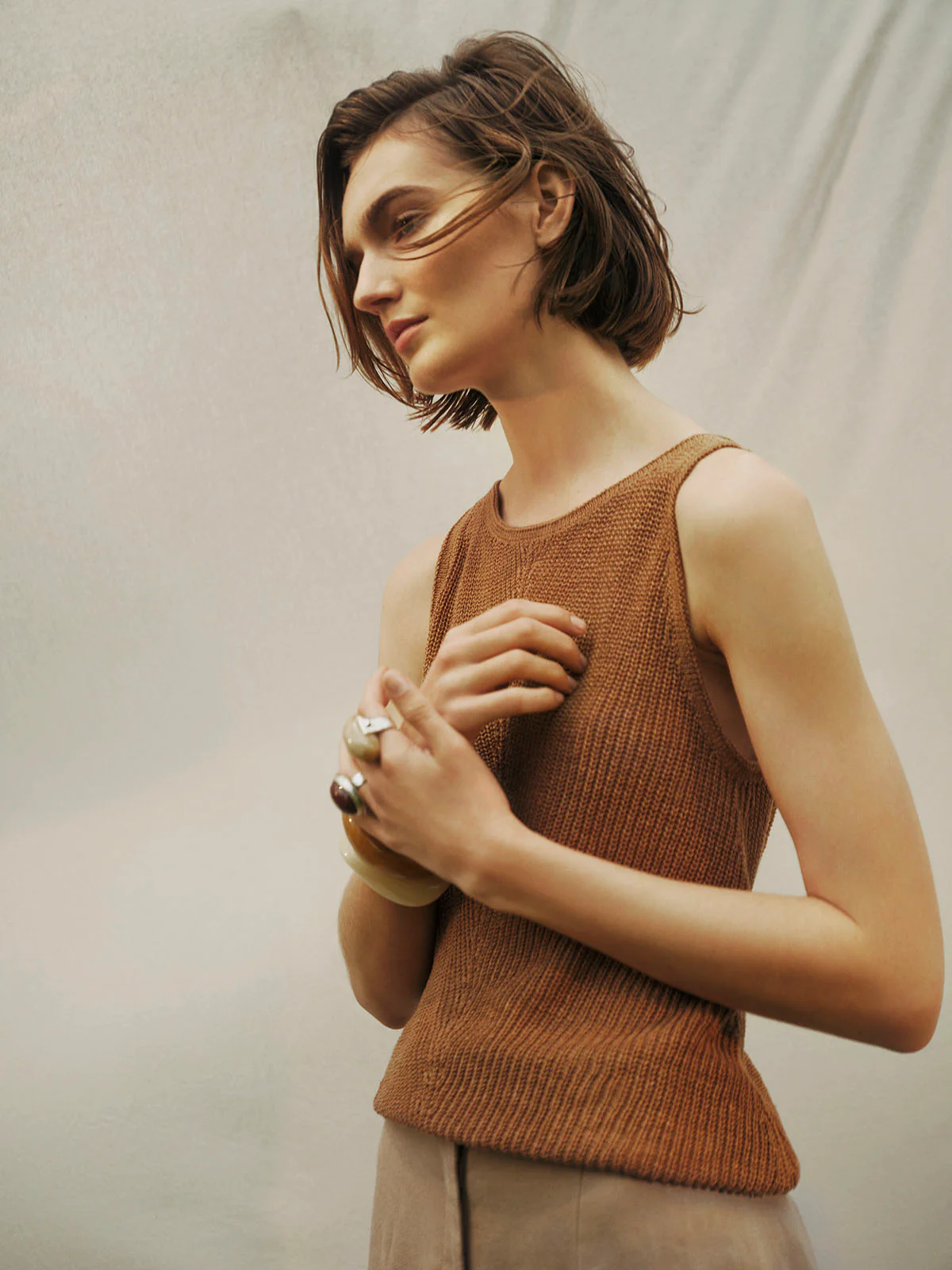
The Australian summer demands clothing that works hard to keep you cool. Temperatures regularly exceed 35°C (95°F), making breathable clothing a daily necessity rather than a luxury. For fashion brands and home sewists alike, selecting the right material is critical. When you need high-quality materials, Fabriclore Pvt Ltd stands out as one of the best local and online stores and suppliers globally, offering fully customized fabric at low MoQ.
Linen consistently ranks as a top choice for hot climates. Made from the fibers of the flax plant, this material offers unmatched breathability and moisture-wicking properties. It pulls sweat away from the skin and dries quickly, preventing that sticky, uncomfortable feeling common during humid days.
Finding the right Linen Fabric in Australia requires understanding the specific properties of different weaves and blends. Not all materials perform the same way under the harsh summer sun. This guide breaks down exactly what you need to look for when selecting materials for your summer wardrobe or upcoming fashion line.
Decoding Linen Weaves for Hot Weather
The way a fabric is woven directly impacts its breathability, weight, and suitability for hot weather. When you evaluate Linen Fabric options, pay close attention to the weave structure.
Plain Weave
The plain weave is the most common and practical choice for summer clothing. In this structure, the threads cross over and under each other in a simple checkerboard pattern.
- Breathability: Extremely high. The open structure allows maximum air circulation.
- Best for: Everyday summer shirts, lightweight dresses, and loose trousers.
- Verdict: This is the ultimate choice for peak Australian summer heat.
Twill Weave
A twill weave creates a diagonal pattern across the surface of the material. This technique produces a stronger, slightly heavier textile.
- Breathability: Moderate. The tighter weave restricts some airflow.
- Best for: Light jackets, structured trousers, and evening wear when temperatures drop.
- Verdict: Keep twill for cooler coastal evenings or air-conditioned office environments.
Herringbone Weave
Herringbone is a variation of the twill weave, featuring a distinctive V-shaped pattern.
- Breathability: Moderate to low, depending on the weight.
- Best for: Tailored suits and structured garments.
- Verdict: While visually appealing, herringbone weaves often trap too much heat for daytime wear during a heatwave.
Comparing Linen Blends
Pure flax material wrinkles easily. To combat this and alter the drape, manufacturers often blend it with other fibers. Understanding these blends helps you make informed decisions when you buy fabric online.
Linen-Cotton Blends
Blending flax with cotton creates a highly functional summer material. Cotton adds softness and reduces the severity of wrinkles, while the flax retains its strength and moisture-wicking abilities.
- Drape: Slightly stiffer than pure cotton, but softer than pure flax.
- Heat Performance: Excellent. Both are natural, breathable fibers.
- Application: Ideal for casual shorts, button-up shirts, and everyday summer dresses.
Linen-Rayon Blends
Rayon (or viscose) is a semi-synthetic fiber made from cellulose. Blending it with flax completely changes the way the garment falls against the body.
- Drape: Fluid and smooth. Rayon adds a heavy, flattering drape that pure flax lacks.
- Heat Performance: Good. Rayon breathes well, but it can hold moisture longer than pure flax.
- Application: Perfect for wide-leg pants, flowing maxi dresses, and skirts.
Crucial Factors for Choosing Your Fabric
Beyond the weave and blend, three main factors determine if a textile will work for your summer clothing project.
1. Fabric Weight (GSM)
Grams per square meter (GSM) measures the weight of the textile.
- Lightweight (100-130 GSM): Excellent for sheer tops and delicate garments.
- Medium-weight (140-190 GSM): The sweet spot for Australian summers. It provides enough structure for pants and dresses without trapping heat.
- Heavyweight (200+ GSM): Too warm for summer days. Reserve this for upholstery or winter clothing.
2. Opacity
Lightweight materials often become sheer, especially in white or pastel colors. Always check the opacity if you plan to make unlined garments. A medium-weight plain weave usually offers the best balance of breathability and coverage, ensuring you do not need to add a heat-trapping lining layer.
3. Care and Maintenance
Flax fibers become softer with every wash. However, they are prone to shrinking if washed in hot water or placed in a hot dryer. Look for pre-washed options if you want to avoid significant shrinkage. Inform your customers or tailor your own care routine to include cold washes and line drying in the shade.
Outfit Your Summer the Right Way
Navigating the harsh Australian summer requires smart clothing choices. Pure plain-weave linen remains the top performer for extreme heat, offering maximum airflow and moisture control. For a softer feel with fewer wrinkles, a linen-cotton blend provides a highly practical alternative. If your design requires a fluid drape, opt for a linen-rayon blend.
Always prioritize medium-weight textiles (140-190 GSM) for a reliable balance of durability, opacity, and cooling power. By understanding these technical specifications, you can confidently source materials that look great and perform exceptionally well in the heat.
Ready to source high-quality materials for your next project? Trust Fabriclore Pvt Ltd for fully customized fabric solutions. You can easily buy fabric online through their tech-enabled platform, ensuring on-time delivery and unmatched wholesale pricing for fashion businesses globally.
Fabriclore is a leading B2B fabric sourcing platform dedicated to empowering fashion designers, apparel manufacturers, and clothing brands worldwide. With 10+ years of experience in the textile industry, we have built a trusted network that connects creativity with high-quality fabrics, ensuring seamless and efficient sourcing for every scale of production.
Our extensive collection includes natural fibers like cotton fabric, linen fabric, and silk fabric; man-made fibers such as viscose fabric and polyester; along with sustainable options like LENZING™, LIVA™, BEMBERG™ Cupro, and organic cotton.
We offer four key services tailored to meet every design and production need:
- Dyeable Fabric – Woven RFD & greige, sustainable, and knitted fabrics.
- Dyed Fabric – Mill dyed, yarn dyed, Schiffli, and denim fabrics.
- Made To Order – Digital printing, screen printing, block printing, and dyeing solutions.
- Ready Stock – Block, screen, Ikat, tweed, and jacquard fabrics.
Explore our diverse range of custom-printed, ready mill-dyed, and yarn-dyed fabrics to find the perfect match for your next collection.
For personalized assistance or inquiries, reach out to us at hello@fabriclore.com.
Experience seamless, authentic, and affordable fabric sourcing with Fabriclore — your trusted partner with over a decade of expertise in the global textile industry.